Not every death happens at home, and not every family chooses traditional burial. As Nigeria becomes more globally connected, families increasingly face complex situations — a loved one who dies abroad, a desire for cremation over burial, or the need to relocate remains from one location to another. This guide breaks down three of the most misunderstood funeral services in Nigeria: repatriation, cremation, and exhumation.
Repatriation of Remains: Bringing Your Loved One Home
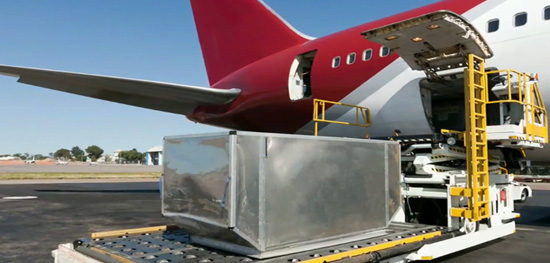
When a Nigerian dies abroad — whether in the UK, United States, Europe, or elsewhere in Africa — the process of returning their remains home can feel impossibly complicated. Repatriation involves coordinating with foreign embassies, local consulates, airlines, embalming facilities, and Nigerian immigration authorities. Each country has its own documentation requirements, and errors can cause serious delays.
A professional repatriation package handles the entire process on your behalf. This includes obtaining the death certificate from the country of death, securing an embalming certificate, arranging an airline-approved casket or container, liaising with the Nigerian embassy, and coordinating airport clearance upon arrival in Nigeria. Families should never attempt to navigate this process alone — the risk of delays, additional costs, and emotional distress is too high.
Repatriation can also apply domestically — transporting remains from Lagos to another Nigerian state for burial in the family’s home town, a common practice in Nigerian culture.
Cremation in Lagos: A Growing Choice
Cremation is gradually gaining acceptance in Nigeria, particularly among families with Christian or non-traditional backgrounds, those dealing with high burial costs, or those living in the diaspora who need a more portable option for remains. A cremation package typically includes body preparation, the cremation process itself, and the return of ashes in an urn of your choice.
Cremation is significantly more affordable than a full burial and eliminates the ongoing cost and maintenance associated with a burial plot. The ashes can be kept at home, scattered in a meaningful location, or interred in a cemetery. It is worth discussing with your religious or cultural leaders beforehand, as views on cremation vary widely across Nigeria’s faith communities.
Related Post: How to Plan a Funeral in Lagos
Exhumation: When Remains Must Be Relocated
Exhumation — the process of disinterring a buried body — is less commonly discussed but more frequently needed than many realise. Families may require exhumation when relocating remains to a family compound, resolving legal disputes, or reburying a loved one in a more permanent or appropriate location.
The exhumation process in Nigeria requires official permits from the relevant local government authority and must be carried out by licensed professionals. Improper exhumation is illegal and poses serious health risks. A qualified funeral service provider will handle all permits, oversee the process safely, and ensure the remains are treated with complete respect throughout.
Choosing a Funeral Package That Covers Your Needs
Whether you are dealing with an international repatriation, exploring cremation, or navigating an exhumation, the most important decision you can make is choosing a funeral services provider with genuine expertise across all these areas. Transparency, proper licensing, and compassionate communication are non-negotiable.
Ruby Funeral Services offers repatriation, cremation, and exhumation packages in Lagos. Reach out to our team for a confidential consultation.